
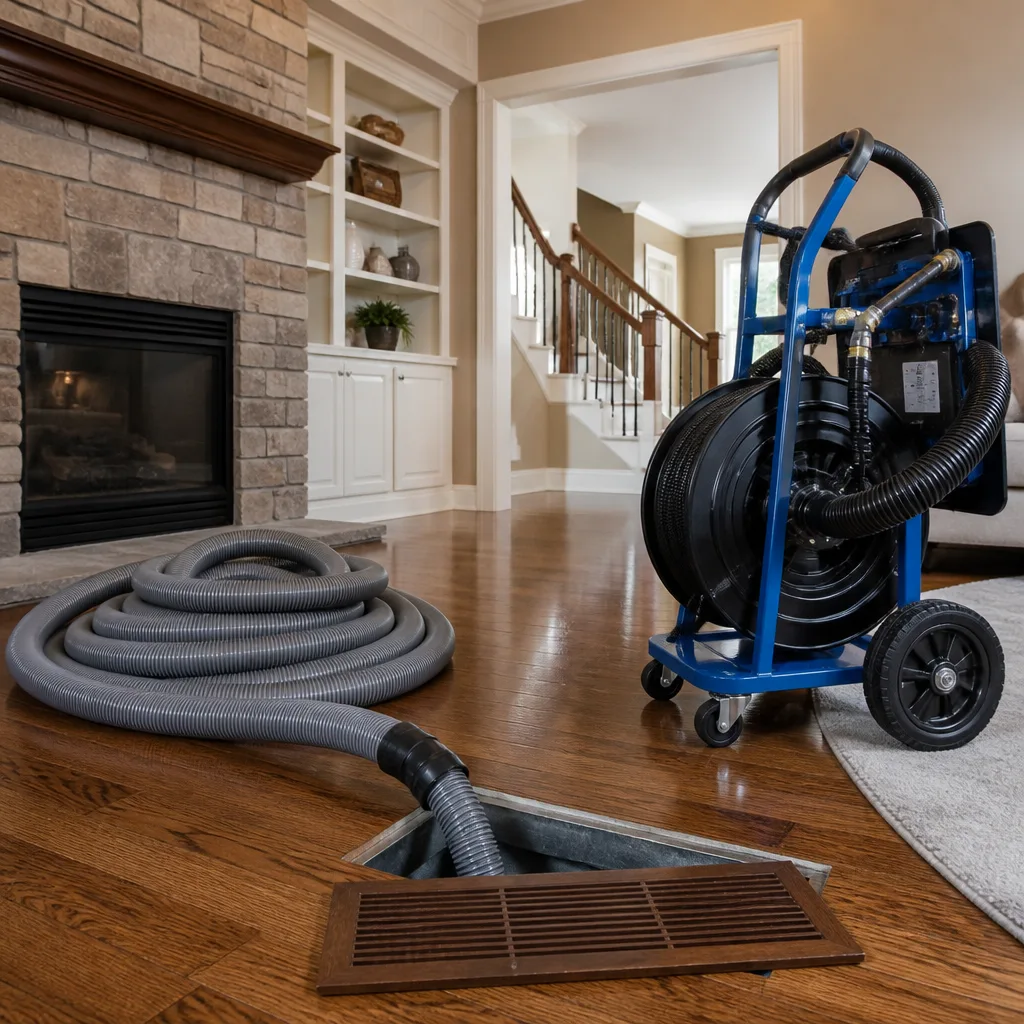
 Whole-home duct cleaning
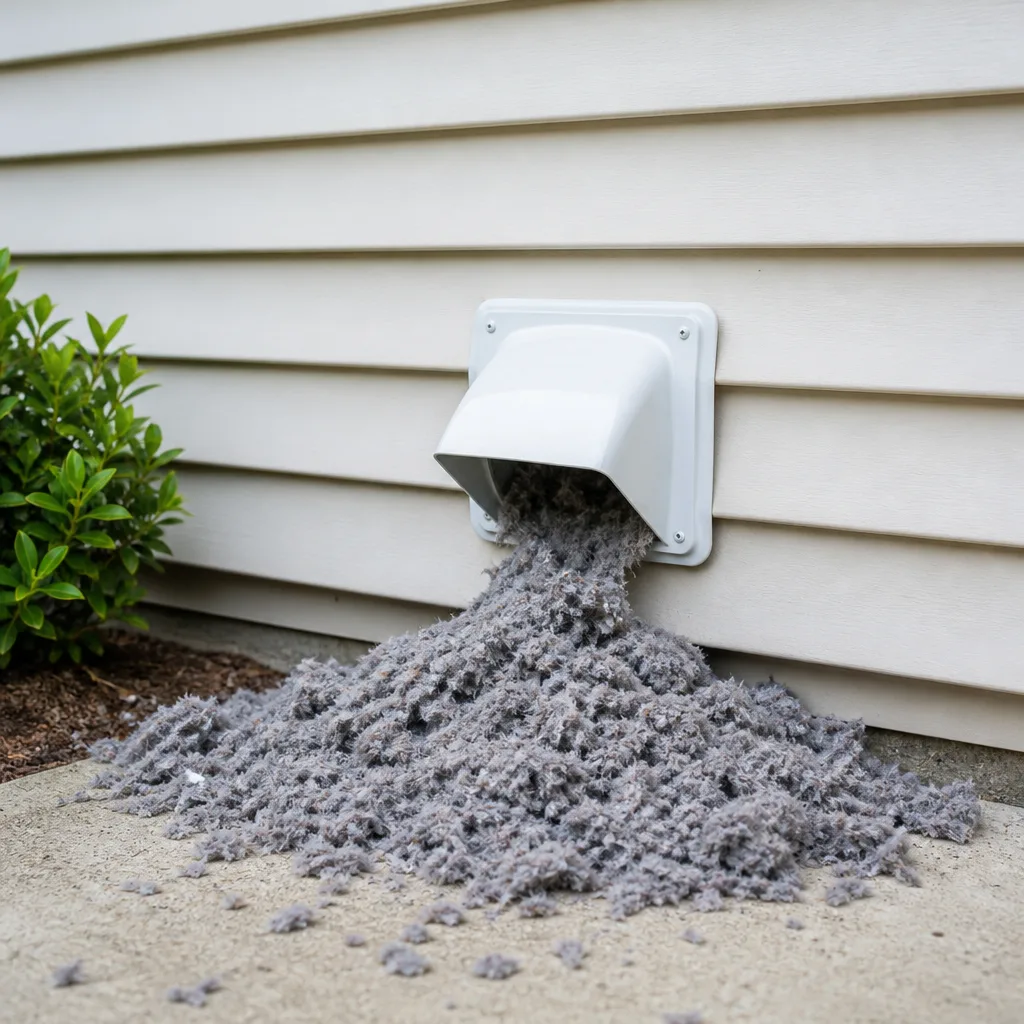 Dryer vent cleaning
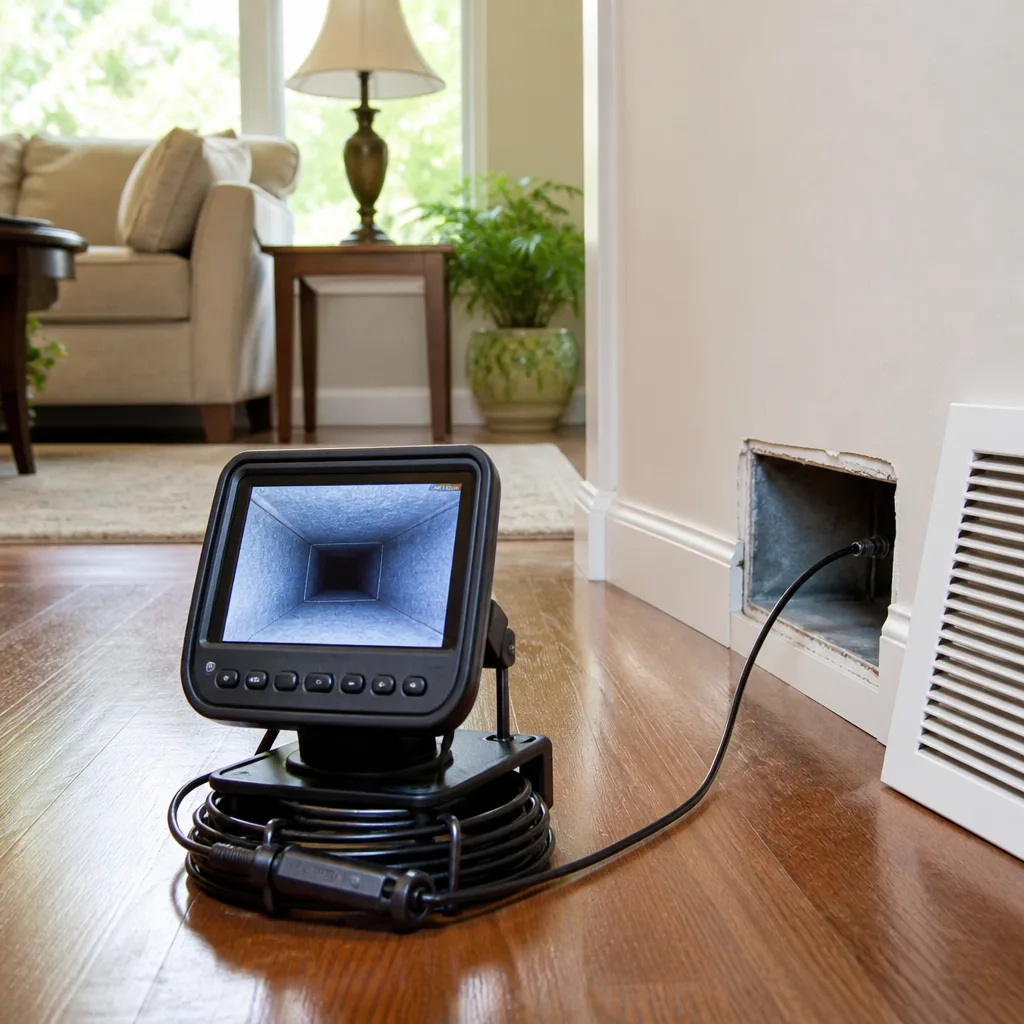 Camera inspection
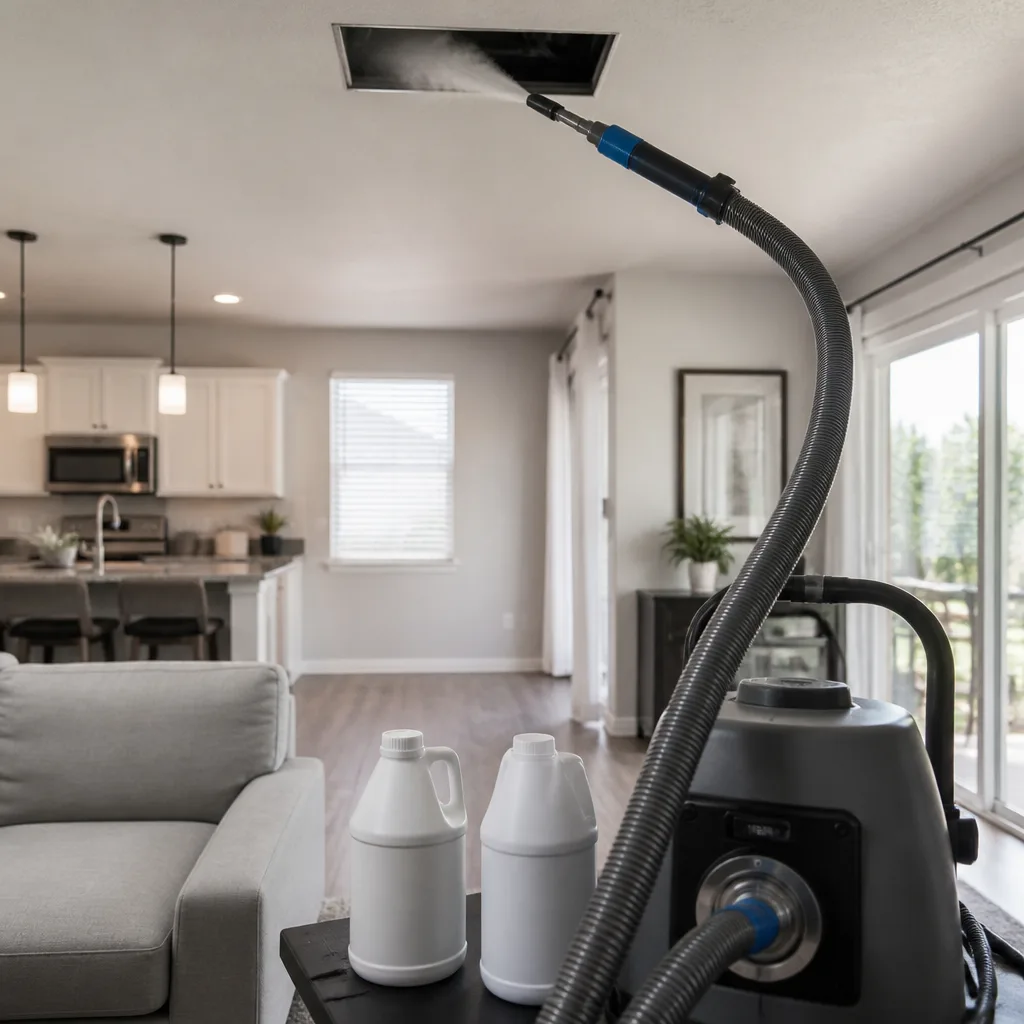 Sanitizing & deodorizing
Whole-system duct and dryer vent check with before-and-after photos - you see exactly what came out of your vents
That "$99 whole-house special" is a bait ad - the real number appears once they are in your hallway, or the "clean" is a shop-vac at the register. We photograph the inside of your ducts before and after instead.
Honeywell Coil Cleaning: The Woodland Hills Owner’s Guide
Honeywell coil cleaning in Woodland Hills typically runs $95 – $185 for the cleaning itself, with full coil inspection and system check included at that price. We stock Honeywell-compatible coil cleaners on our trucks so most jobs are done the same day we arrive. Most Woodland Hills homeowners find out their coils need attention when the AC runs longer than it used to, or when the air coming from the vents feels lukewarm even though the thermostat is set low. If that’s your situation, this page will walk you through what’s actually going on, what it costs to fix, and whether it’s worth doing yourself.
Which Honeywell Models This Applies To
Coil cleaning applies to any Honeywell system with an indoor evaporator coil or an outdoor condenser coil. That covers the Honeywell Home line, the older T-series air handlers, and Honeywell’s residential split systems installed throughout the San Fernando Valley. The coil itself is a set of aluminum fins wrapped around copper tubing, and Honeywell coils run a tighter fin spacing than many competitors, which means they catch more debris but also clog faster in our dry, dusty climate.
To identify your specific coil, look for a model sticker on the unit’s access panel. Honeywell prints the model number on a metal plate, usually near the refrigerant line connections. You can also measure the coil face: Honeywell residential coils run from 14 to 24 inches wide, and getting that measurement right matters because the cleaner concentration and rinse time depend on it. If you can’t find the sticker or the label is worn off, take a photo of the unit and call us: we can usually identify it from the cabinet shape and line configuration.
When it comes to cleaning products, we use OEM-spec Honeywell coil cleaner, which is formulated to break down the specific oils and dust that collect on Honeywell’s fin coating without pitting the aluminum. There are aftermarket cleaners that work, but some are too acidic for Honeywell’s thinner fin material. We won’t use a one-size-fits-all chemical on a coil that needs something gentler.
Styles & brands we work with
Signs Your Honeywell Coil Cleaning Is Failing
- Air from the vents feels weak or warm. A coil caked with dust and pet hair can’t transfer heat properly, so the system runs but the air coming out barely cools the room. This is the most common complaint we hear in Woodland Hills during the first heat wave of summer.
- Electric bill jumped by $40 or more with no obvious reason. A dirty coil forces the compressor to work longer cycles to hit the same temperature. If your June bill looked like an August bill, the coil is the first place we check.
- The outdoor unit has visible dirt between the fins. Cottonwood fluff and the fine dust that blows through the West Valley in late summer pack into condenser coils quickly. If you can see a blanket of fuzz on the outside, the inside is worse.
- The system short-cycles. When the coil can’t shed heat, the compressor overheats and shuts down early. The unit kicks on, runs for five minutes, shuts off, then repeats. That pattern shortens compressor life significantly.
- Water pooling around the indoor unit. A clogged evaporator coil freezes up, then thaws and drips water where it shouldn’t. In a Woodland Hills garage or utility closet, that water can spread into drywall faster than you’d think.
Replacement Cost & What’s Included
Honeywell coil cleaning at Cardinal Air Duct Woodland Hills runs $95 – $185 for most residential systems in Woodland Hills. That range covers a standard single-coil cleaning, and the final price depends on two things: the size of the coil and how badly it’s fouled. A lightly dusted coil takes less chemical and less time than one that’s been collecting kitchen grease and pet dander for five years.
Every coil cleaning includes the full breakdown: we remove the access panel, inspect the coil for leaks or fin damage, apply the Honeywell-spec cleaner, let it dwell, rinse with low-pressure water, and then run the system to confirm it’s cooling properly before we leave. You get the written price before we start, and the work is backed by our 365-Day Done Right Promise. If the coil isn’t clean enough or the system isn’t performing after the job, we come back and make it right at no charge. No per-coil add-ons, no upcharges once the panel is off.
DIY or Call Us?
You can safely do a few things between professional cleanings. Wiping the outside of the condenser unit with a damp cloth, hosing off the cabinet, and keeping the area around the unit clear of leaves and debris all help. If you can see heavy dirt packed between the fins through the cabinet grille, you can gently rinse with a garden hose on low pressure with the power to the unit shut off at the breaker.
What you shouldn’t do is pull the access panel and start spraying cleaner into the coil. Honeywell coils sit next to electrical connections, capacitors, and the blower motor. One wrong move with a chemical spray or a pressure washer and you’re looking at a $600 repair instead of a $150 cleaning. A coil that’s badly fouled or that has bent fins from years of neglect deserves a trained tech who can clean it without damaging the fin surface. If your coil is past the point of a garden hose fix, call (559) 295-5878 and we’ll give you an honest read on what it needs.
How often does a Honeywell coil actually need cleaning?
Most Honeywell coils in Woodland Hills need cleaning every two to three years. Homes with pets, nearby construction, or heavy summer AC use may need it annually. The dry Santa Ana wind season pushes a lot of fine particulate into condenser coils, and that grit accelerates buildup faster than the industry standard formulas account for. If you can’t remember the last time the coil was touched, it’s probably due.
See the difference
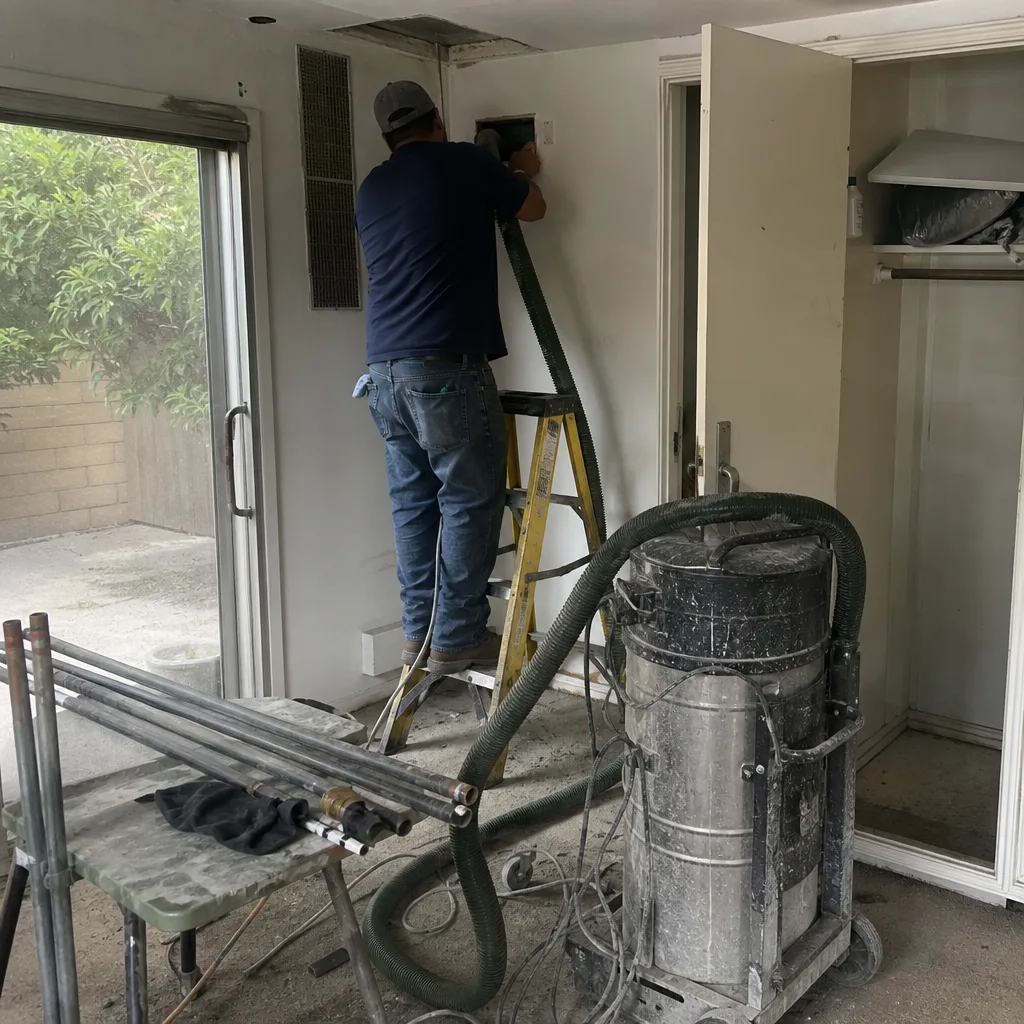 Before
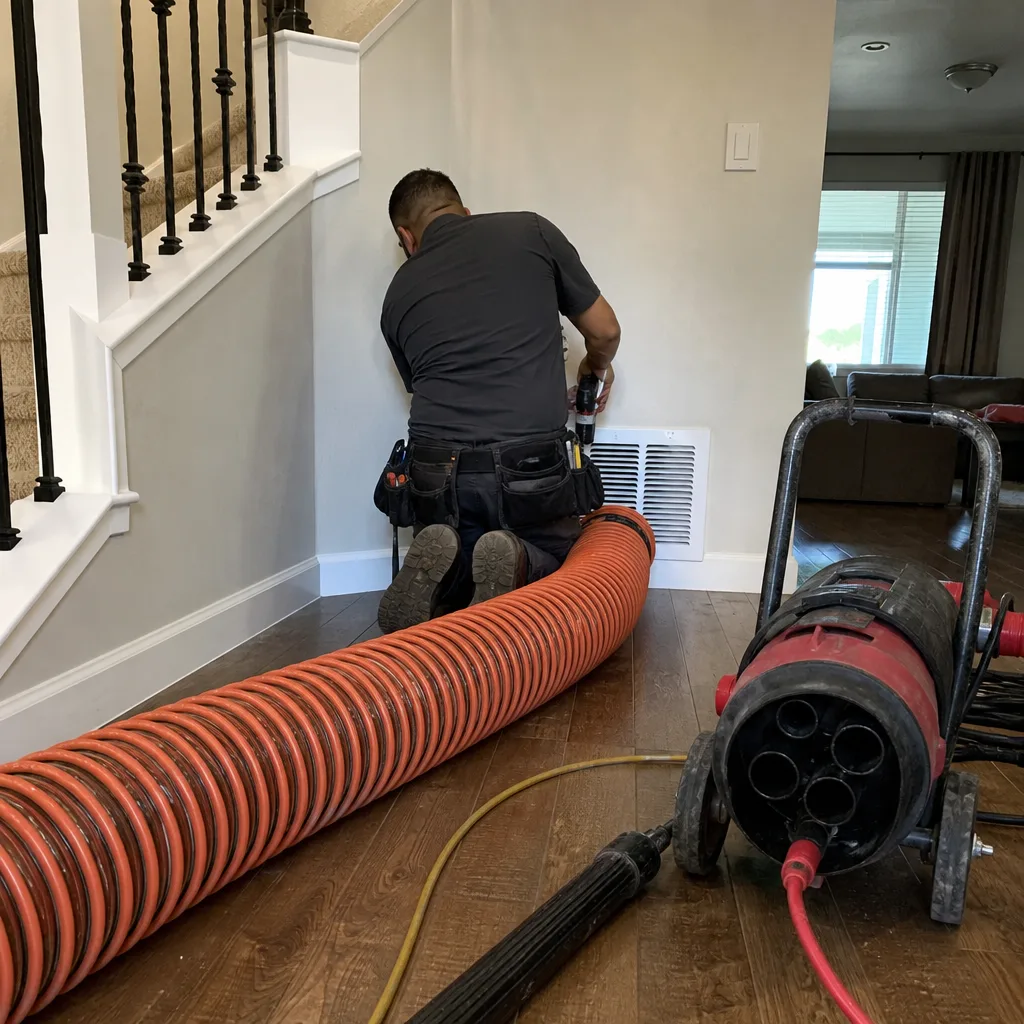 After
After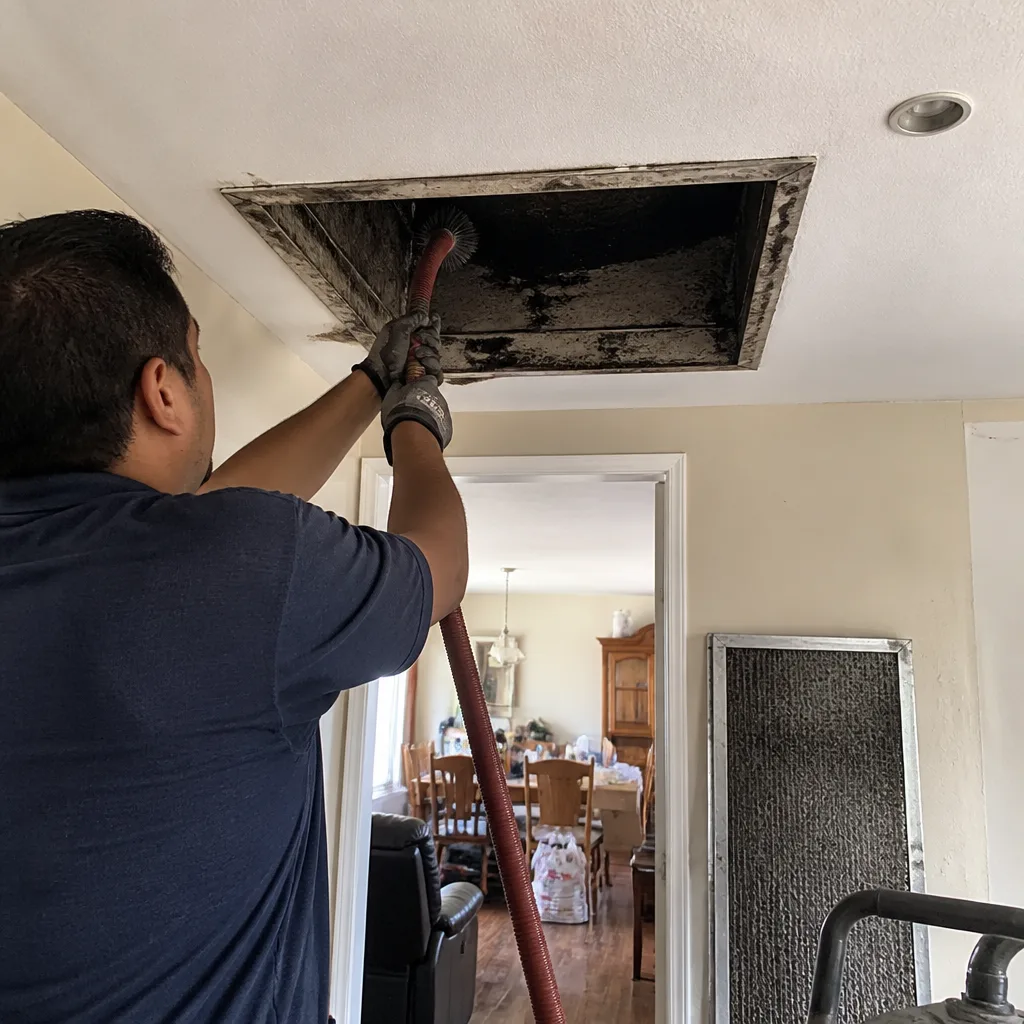 Before
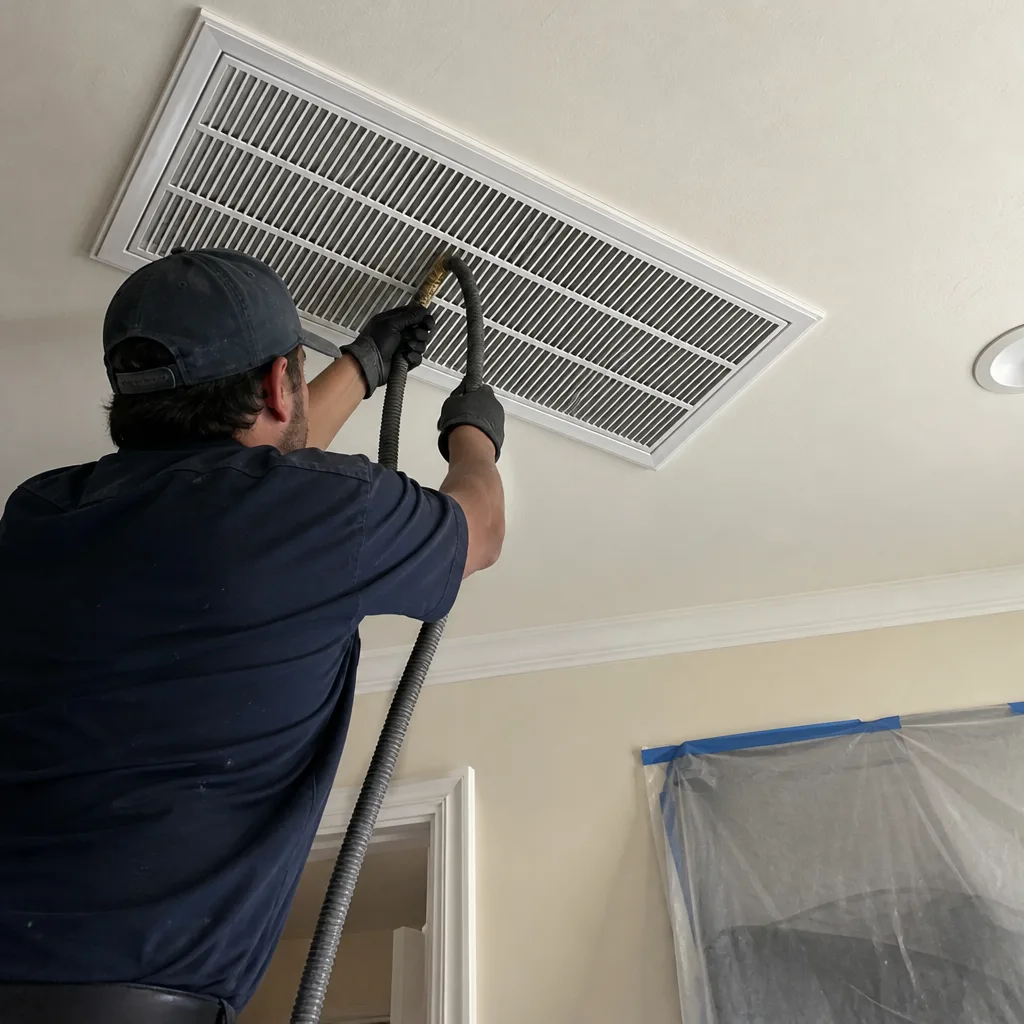 After
After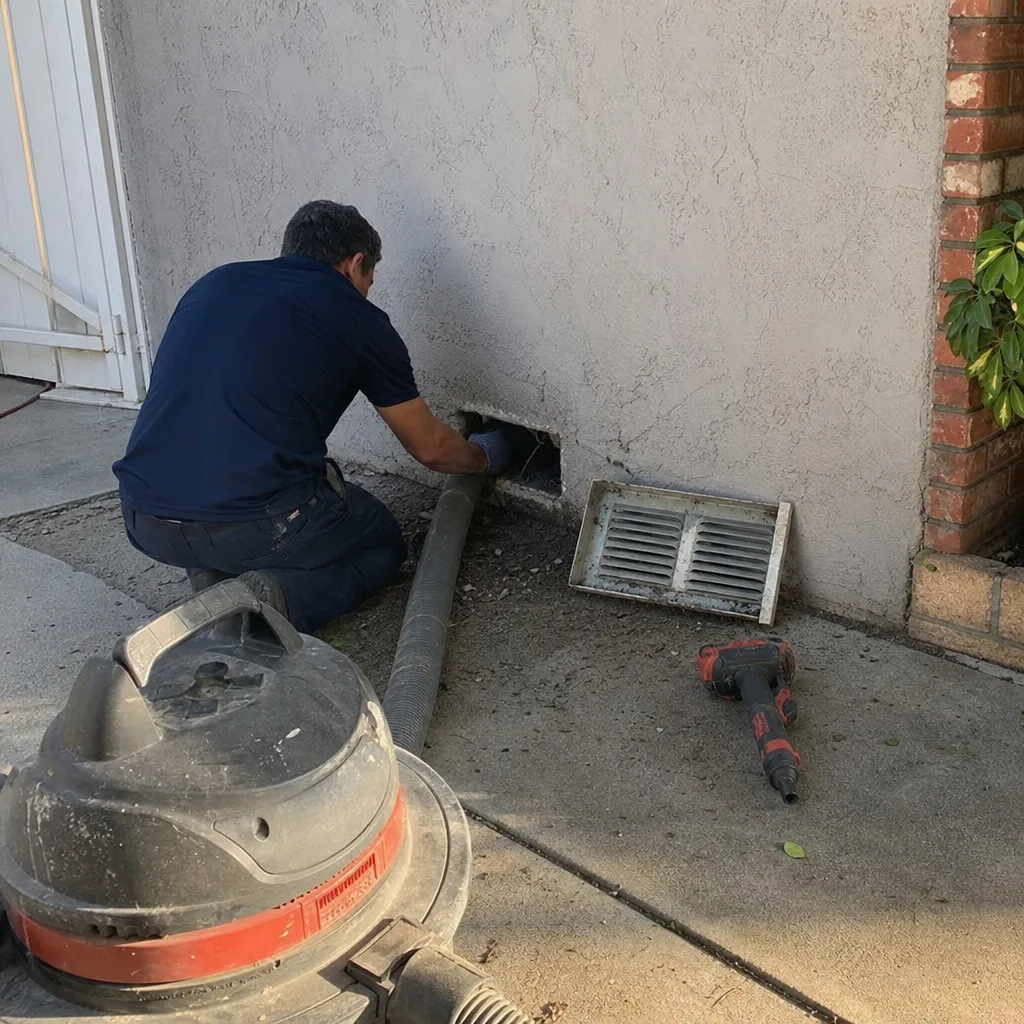 Before
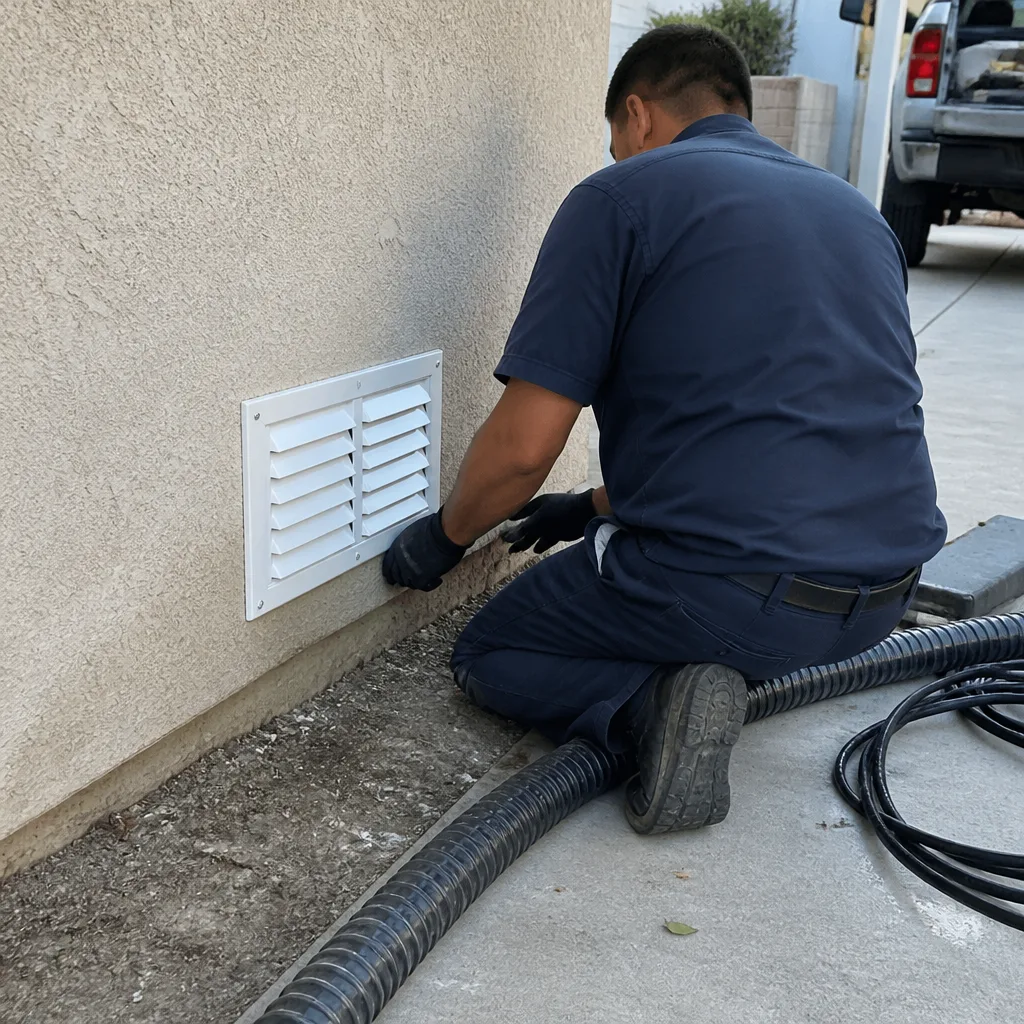 After
AfterCan a dirty coil be repaired instead of cleaned?
No. A dirty coil doesn’t need repair, it needs cleaning. The only repair scenario is if the coil has a refrigerant leak or corroded fins from a previous harsh chemical job. In that case, the repair is separate from the cleaning, and we’d quote it before any work starts. If the coil is leaking, cleaning it won’t help, so we always pressure-test first.
How long does a coil cleaning take?
Most single-coil cleanings take 45 to 90 minutes from panel-off to system restart. Larger systems, dual-coil setups, or coils that haven’t been cleaned in years can push past two hours. Since we carry Honeywell-spec cleaner on the truck, there’s no trip back to the shop and no reschedule needed for most jobs in Woodland Hills.
Do you stock Honeywell coil cleaner on the truck?
Yes. Our Woodland Hills trucks carry Honeywell-spec coil cleaner in both foam and liquid formulations, so we’re ready for most residential systems without a supply run. We also keep Lennox, Trane, and Carrier parts stocked for mixed-system homes where the outdoor unit and the air handler aren’t the same brand. If we don’t have a specific part or product for your unit, we’ll tell you before we schedule, not after we arrive.
FAQs
How long does a Honeywell coil normally last before needing replacement? A properly maintained Honeywell coil usually lasts 12 – 18 years in Southern California. Neglected coils that go five or more years between cleanings often fail closer to the 10-year mark because built-up acids from dust and pollution eat through the fin coating and eventually the copper itself.
Why is the outdoor coil dirtier than the indoor one? The condenser coil sits outside and gets hit with everything the wind carries: dust, pollen, cottonwood, bird droppings, and exhaust from the 101. The indoor evaporator coil still gets dirty, but it’s filtered by your return grille, so it usually just accumulates the fine stuff that slips through.
Will cleaning the coil fix a system that’s low on refrigerant? No. Cleaning a coil restores heat transfer, but if the refrigerant charge is low, the system still won’t cool properly. That’s why we run a full system check as part of the cleaning: we want to tell you what’s actually wrong, not just clean the coil and leave you with the same warm air a week later.
What does “negative-pressure cleaning” mean for a coil? It means the cleaning process pulls debris away from the coil instead of blowing it into the unit or your home. We use a Nikro HEPA vacuum set up to catch loosened dirt as it comes off the fins, so the junk doesn’t end up in the blower assembly or floating through your supply registers. We mention it because a lot of companies skip extraction entirely and just rinse the coil with a hose, which moves the dirt somewhere else instead of removing it.
If your Honeywell system is running hot and you’re in Woodland Hills, Calabasas, Tarzana, or anywhere in the West Valley, call (559) 295-5878. We’ll give you the price for a coil cleaning before we ever touch the unit, tell you exactly what we’ll do, and send a background-checked tech who shows up when we say he will. Clean ducts, straight answers – that’s the whole job.
Written by Omar Haddad, Owner, Cardinal Air Duct Woodland Hills at Cardinal Air Duct Woodland Hills, serving Woodland Hills and nearby areas.