
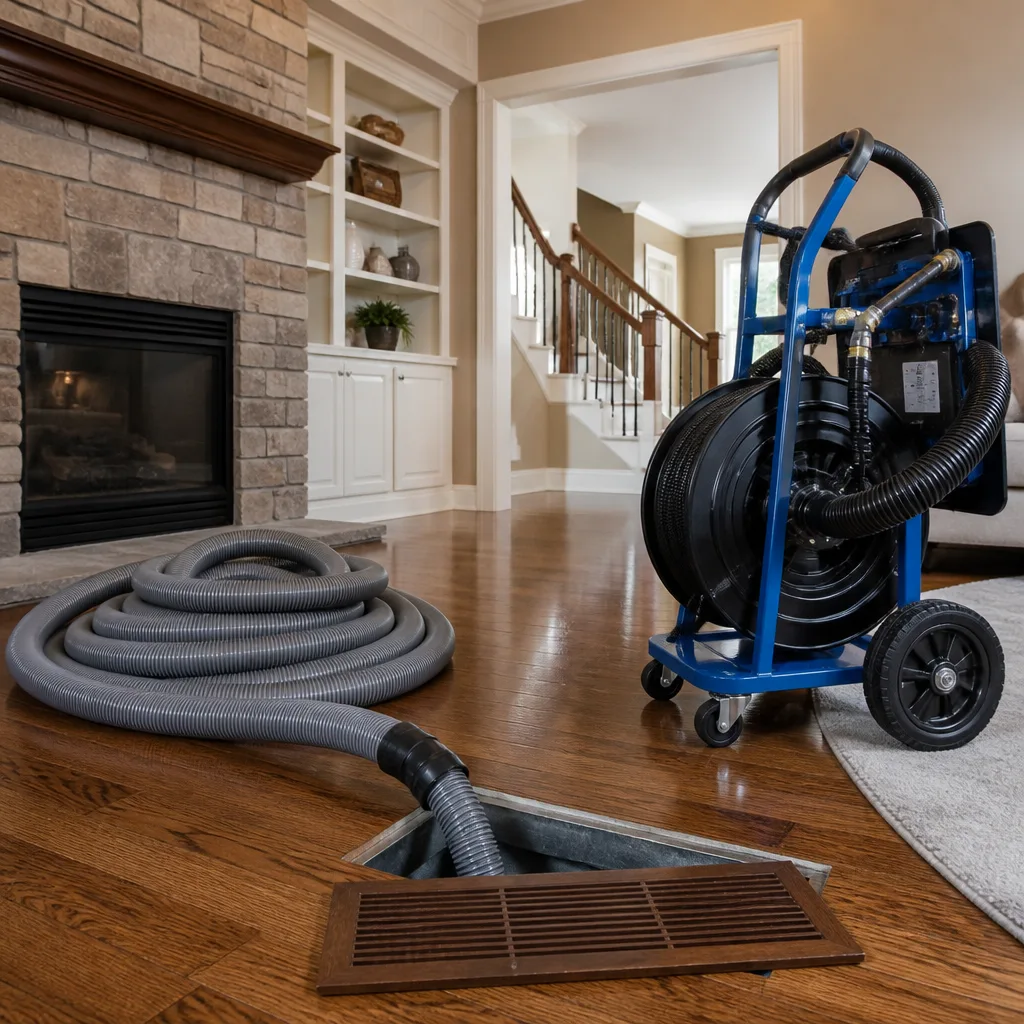
 Whole-home duct cleaning
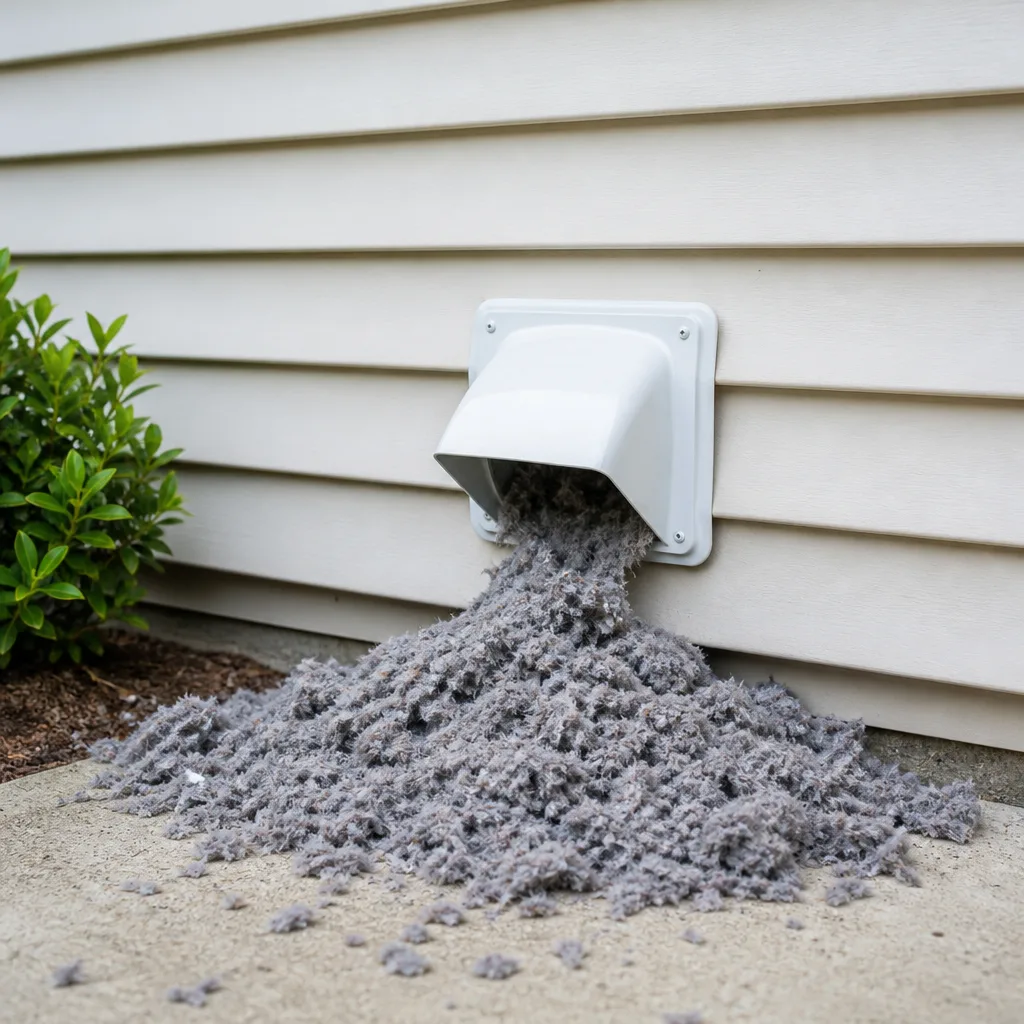 Dryer vent cleaning
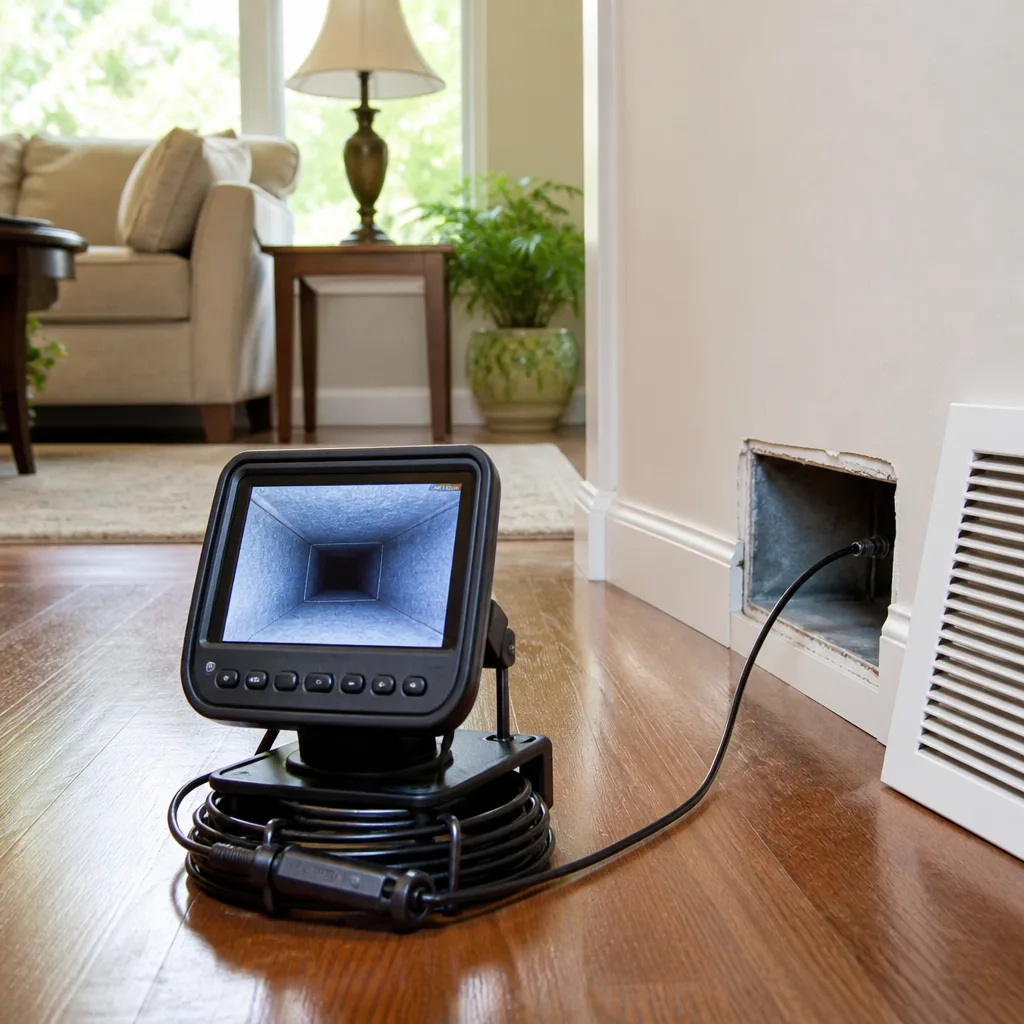 Camera inspection
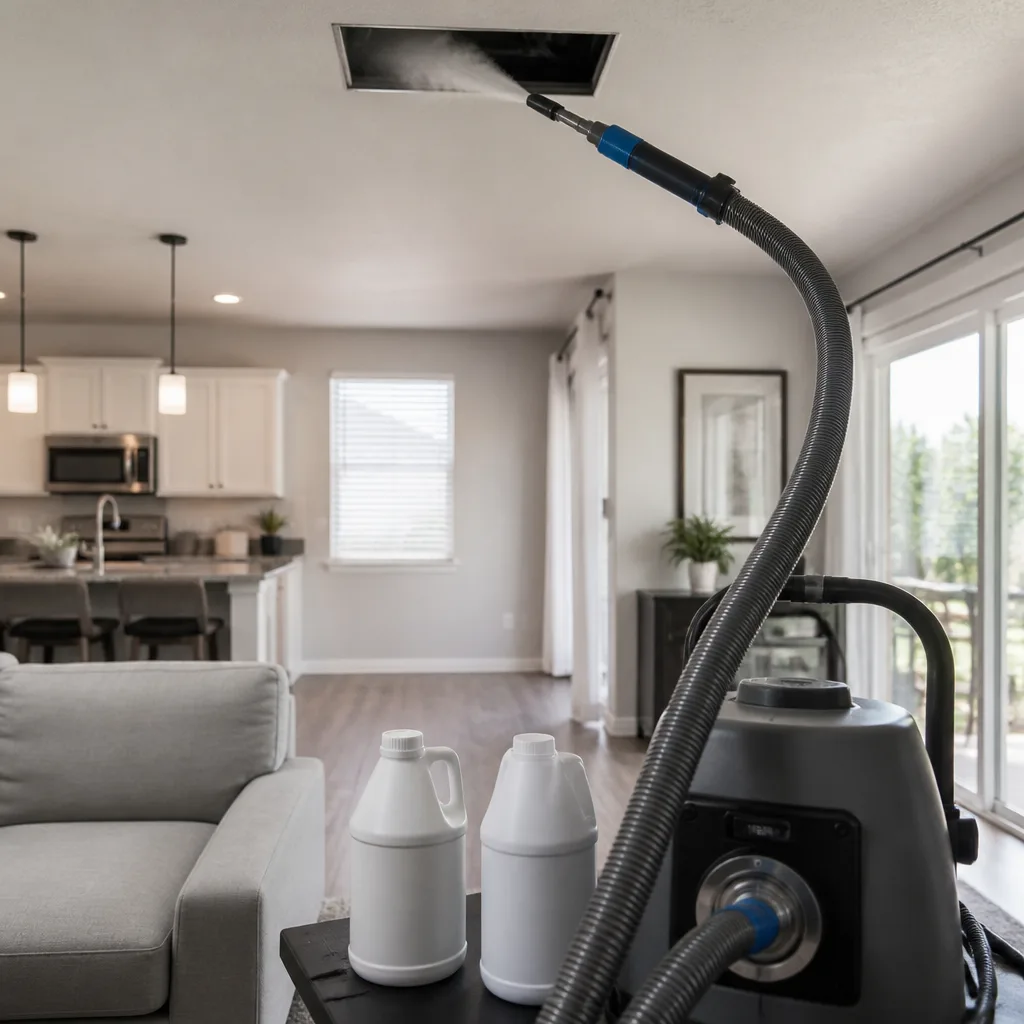 Sanitizing & deodorizing
Whole-system duct and dryer vent check with before-and-after photos - you see exactly what came out of your vents
That "$99 whole-house special" is a bait ad - the real number appears once they are in your hallway, or the "clean" is a shop-vac at the register. We photograph the inside of your ducts before and after instead.
Honeywell Duct Sealing & Repair: The Woodland Hills Owner’s Guide
If you have a Honeywell duct sealing system that’s leaking, whistling, or showing cracked seals around the registers, we stock the compatible sealing components and repair materials on our trucks and can typically complete the job in a single visit. Most Honeywell duct sealing and repair work in Woodland Hills runs between $225 and $480 installed, depending on access to the ductwork and how much of the existing seal has failed. You’ll usually notice the problem first as a hiss or faint whistling near the supply registers, a room that never quite reaches the thermostat setting, or visible separation where the duct boot meets the wall or floor.
Cardinal Air Duct Woodland Hills is an independent service provider. We’re not affiliated with Honeywell, but we work with their sealing systems regularly across the San Fernando Valley, including homes throughout Woodland Hills from Warner Center up toward the Santa Monica Mountains.
Which Honeywell Models This Applies To
Honeywell’s duct sealing products fall into a few distinct lines, and the repair path depends on which one you have. The most common setup we see in Woodland Hills homes built in the 1990s and 2000s is the Honeywell TrueZONE bypass damper and the associated duct sealing collars at the plenum. We also regularly service the Honeywell EARD-series zoning dampers and the older ARD-series, both of which rely on gaskets at the damper perimeter that dry out and crack over time.
Here’s the identification gotcha that most homeowners miss: the Honeywell model sticker on the damper housing only tells you the damper series, not the sealing gasket size. You need the physical measurement of the duct opening or the damper blade diameter to get the right replacement. That’s a 50-cent measurement and a common reason DIY orders go wrong. If you have a TrueZONE panel with a bypass damper, we inspect the entire sealing path, not just the visible failure point, because when one gasket fails, its neighbors usually follow within a season. For replacements, we use OEM Honeywell sealing collars and gaskets when they’re available locally, and quality aftermarket equivalents from Guardsman when OEM lead times stretch past what makes sense for a scheduled repair. Both are covered under the same 365-Day Done Right Promise.
Styles & brands we work with
Signs Your Honeywell Duct Sealing & Repair Is Failing
- A hissing or whistling at the register boot. This is the classic first symptom. The foam or rubber seal between the duct boot and the wall or floor has compressed or cracked, and conditioned air is escaping into the wall cavity or crawlspace instead of the room.
- One or two rooms consistently lag behind the rest of the house. When the Honeywell zoning damper seal fails in a partially closed position, that zone gets less airflow than the thermostat assumes it’s getting. The result is a bedroom that’s five degrees warmer every afternoon.
- Visible dust streaks or gray smudges around the grille edges. That’s not normal dust settling. It’s air leaking past a failed seal and depositing insulation particles and attic dust onto the wall surface around the register.
- Higher utility bills without a change in usage habits. Leaking seals in the duct network can waste 20 to 30 percent of conditioned air. In Woodland Hills, where summer cooling demand pushes systems hard from June through October, that leakage shows up directly on the LADWP bill.
- Dry, crumbly material at the duct joints or around dampers. The original sealant ages out. Once it loses flexibility, every thermal expansion cycle of the ductwork widens the gap. We see this most often in attics where summer temperatures bake the material beyond its rated range.
See the difference
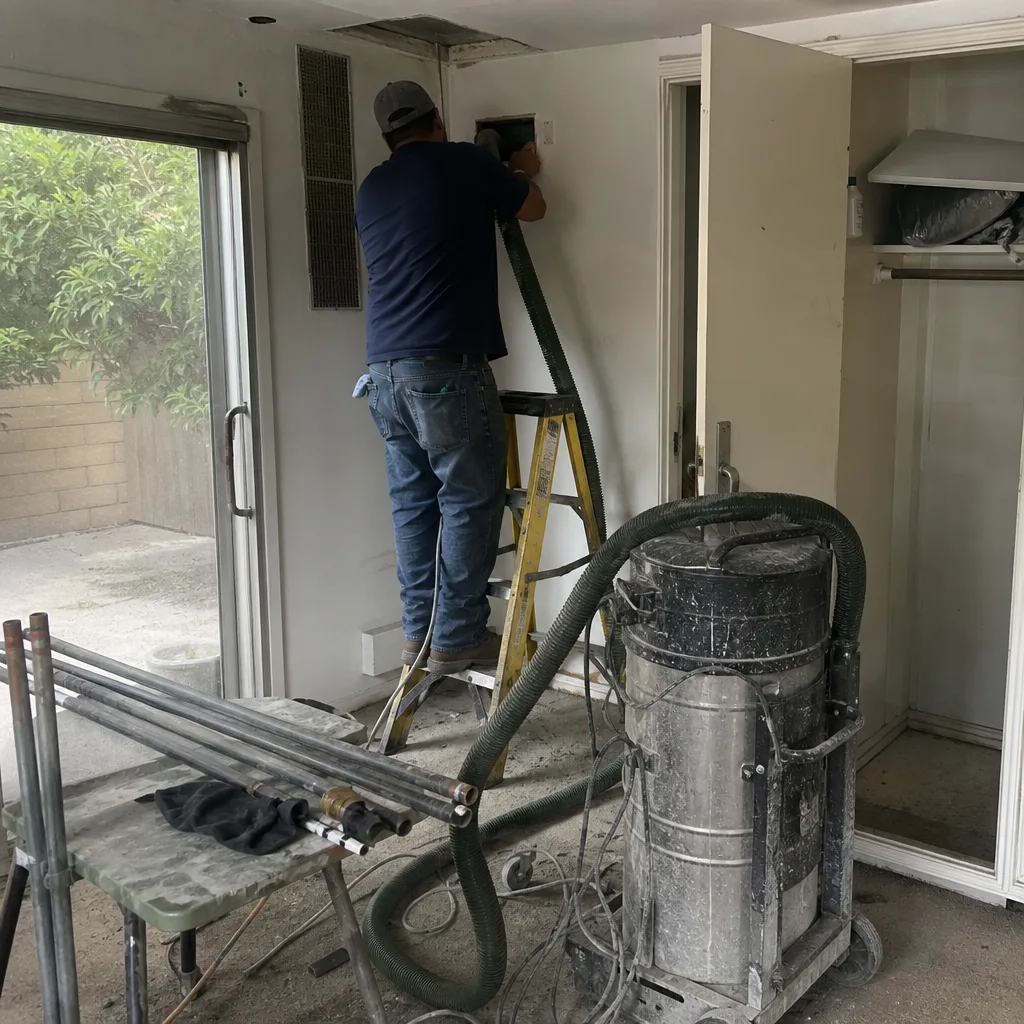 Before
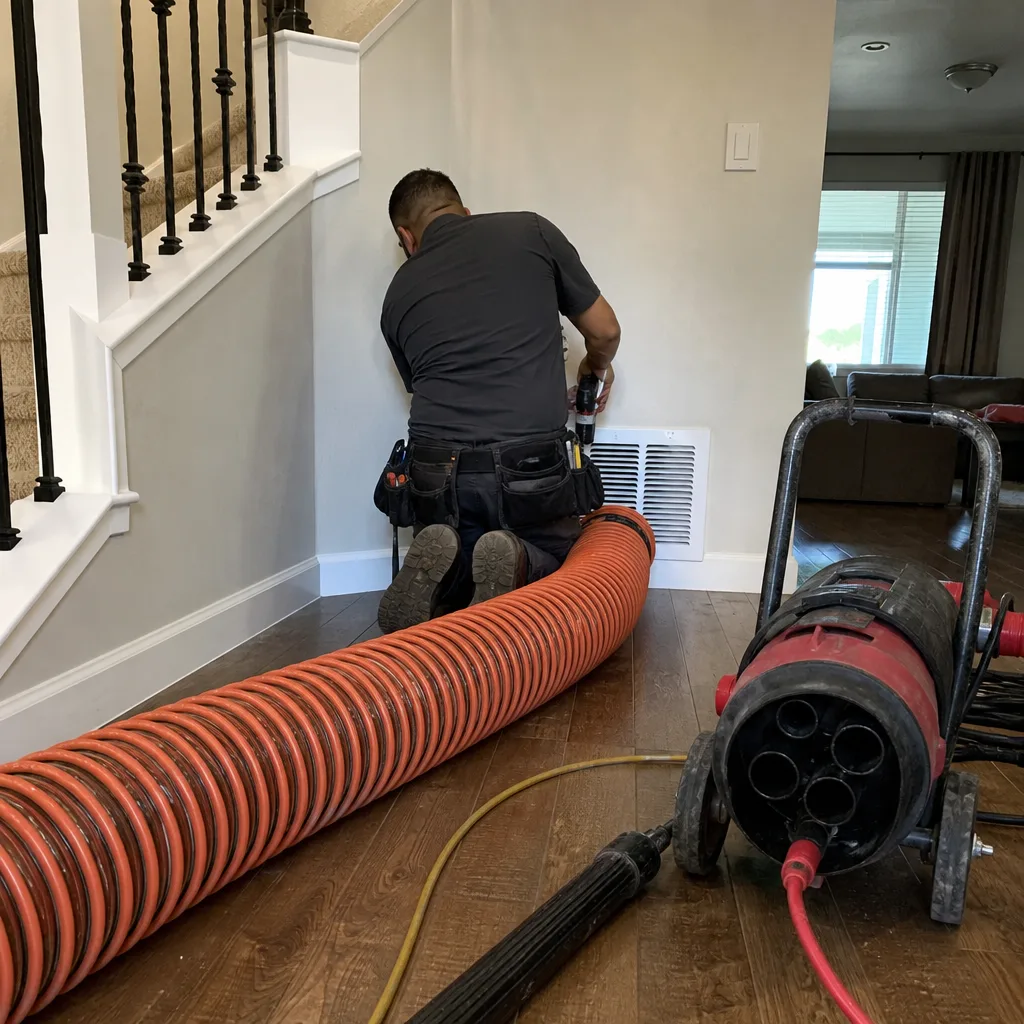 After
After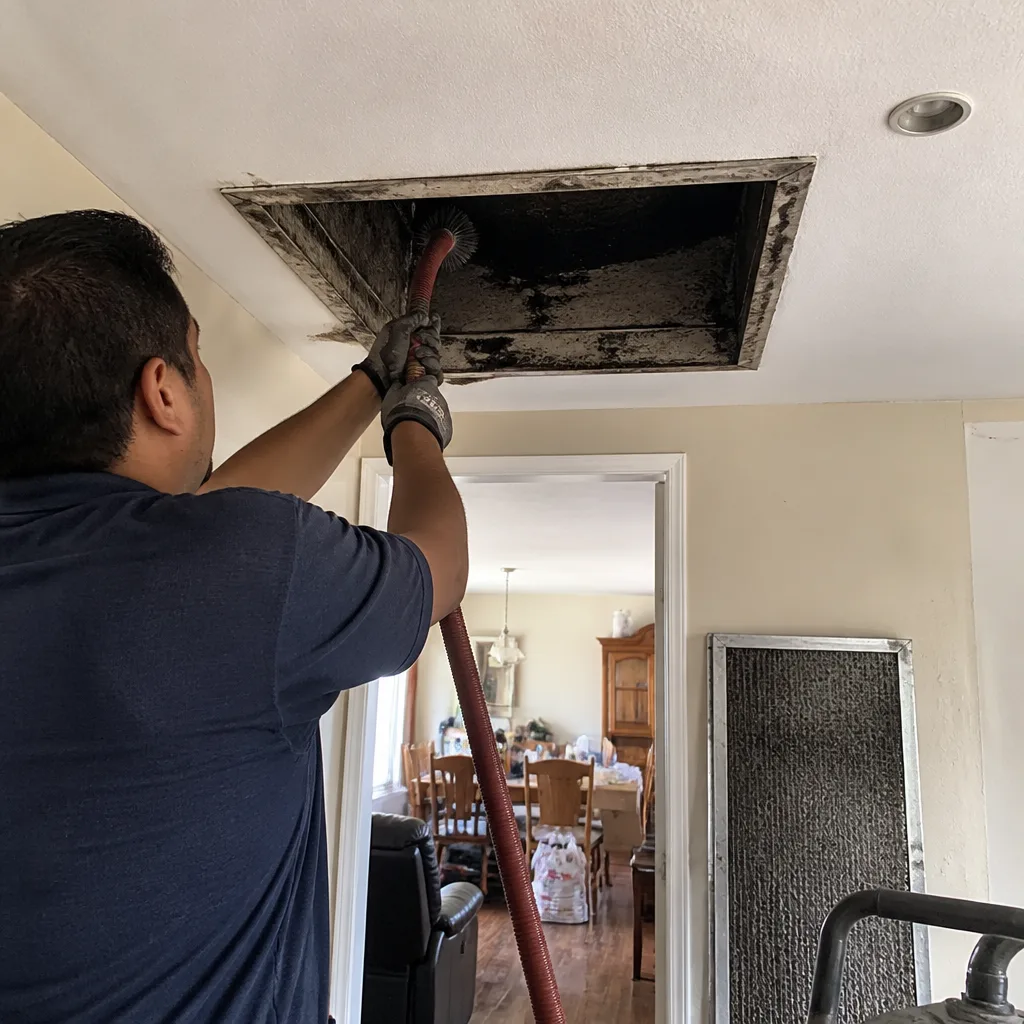 Before
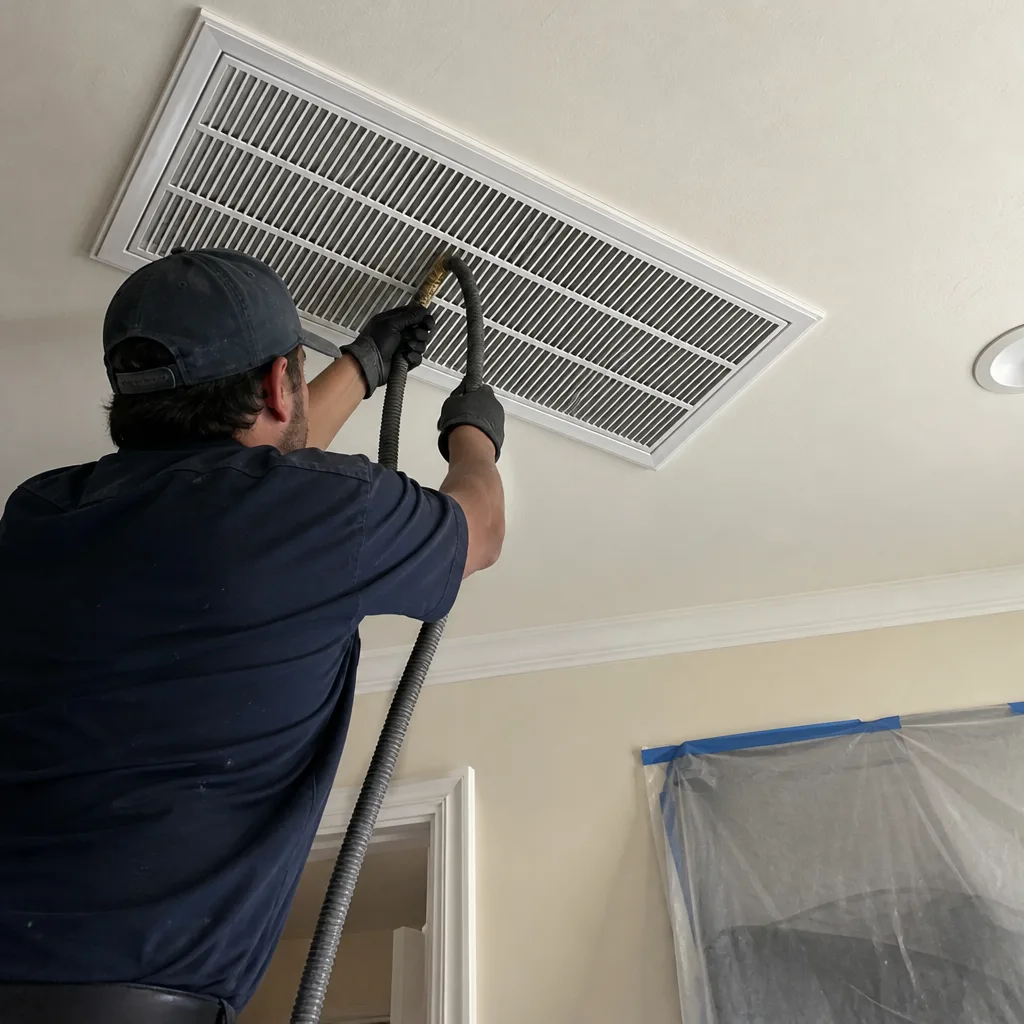 After
After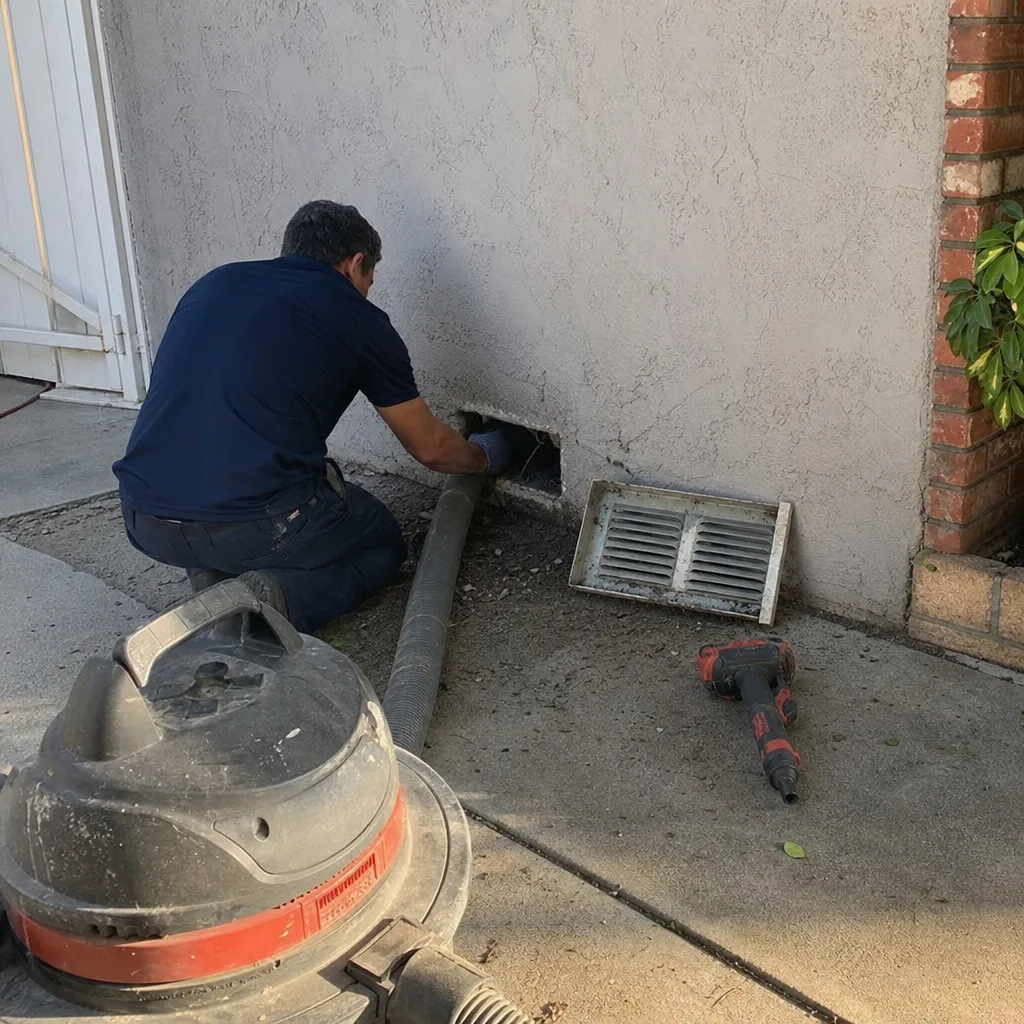 Before
 After
AfterReplacement Cost & What’s Included
For a typical single-damper seal replacement or a register boot reseal in Woodland Hills, expect $225 to $340. A full zoning system reseal across multiple dampers and trunk line joints runs $380 to $480. The range comes down to attic access difficulty, how many joints need attention, and whether we’re replacing a damper blade or just the sealing gasket.
Every quote includes the parts, labor, cleanup, and a written price before any work starts. That price does not change at the door. We hand you the number, explain what we’re replacing and why, and only start once you approve it. Every Honeywell sealing repair is covered by the 365-Day Done Right Promise: if the work isn’t right within a full year, we return and correct it at no charge. That applies to every job without exception.
DIY or Call Us?
There are two things you can safely check before calling us. First, identify where the hissing or dust streaks are worst and note which Honeywell model sticker is on the damper or zone panel. Second, check whether the register itself is loose in the wall opening; sometimes a two-minute screw tightening resolves a register-level seal issue. That’s worth doing.
What you shouldn’t attempt is pulling the damper apart or cutting into the ductwork. The sealing work sits inside areas with limited clearance, and a misaligned damper blade can bind against the duct wall and burn out the actuator motor, which turns a $250 seal repair into a $600-plus damper replacement. We’ve also seen homeowners over-tighten replacement gaskets and warp the damper frame. If you’re not sure whether the seal is actually the problem, call us at (559) 295-5878 and we’ll walk through what you’re seeing before we ever schedule a visit.
FAQs
In our experience, Honeywell duct seals in Woodland Hills last 8 to 12 years, with attic-mounted components wearing faster because summer temperatures above 140 degrees accelerate the breakdown of the foam and rubber compounds. Systems near the coast in cooler microclimates sometimes stretch a few years longer. If your home is in the hills above Ventura Boulevard where attics run hotter, expect the shorter end of that range. Call (559) 295-5878 for an inspection if your system is past the 10-year mark.
Yes, and in most cases it’s the better call. If the sealing gasket is compressed but the damper blade and actuator are still functioning, we replace just the seal and the work takes under an hour per damper. Full damper replacement is reserved for cases where the blade is warped or the motor has already burned out. We’ll show you the exact condition on camera before recommending either path.
Most single-damper seal replacements are done in 60 to 90 minutes. A full zoning system reseal with multiple dampers and trunk line joints takes half a day. You’ll get a live arrival window when you book through The Relay Standard, so you’re not waiting through a four-hour block.
We carry the common Honeywell sealing gaskets, collars, and sealants on our service trucks, along with Guardsman aftermarket equivalents for the sizes we install most. If your system needs a less common size, we source it before your visit and confirm the part is in hand before we schedule. We also stock compatible parts for Lennox, Trane, and Carrier systems if your ductwork mixes brands.
Written by Omar Haddad, Owner, Cardinal Air Duct Woodland Hills at Cardinal Air Duct Woodland Hills, serving Woodland Hills and nearby areas.